
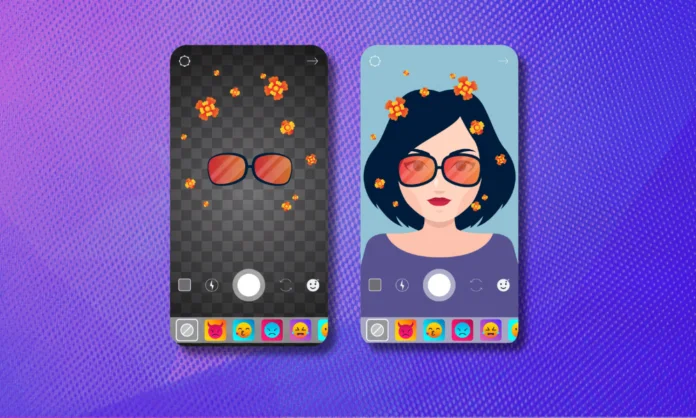
Are you even fond of those interactive social filters giving you a cat look, adding puppy ears to your face, and so much more? From magical selfies and face filters to changing the entire product experience, social media AR filters are a powerful way to boost online engagement.
Several platforms, such as Snapchat, Instagram, Facebook, and TikTok, use AR filters to turn photos and videos into an interactive, immersive experience, thereby boosting digital interaction.
Gone are the days of traditional photos; brands, too, are using this technology to drive engagement and encourage user-generated content at scale. Let us understand the impact of social media AR filters on improving online engagement.
Importance of Social Media AR Filters
The social landscape has changed dramatically over the years. Users prefer engaging content that attracts them at first glance. AR experiences are standing at the forefront. Social media AI filters are gaining popularity because they are more interactive and engaging than other forms of content. What makes it easy going is the ease of use. Users can enter a creative experience with just one tap and have fun.
One notable benefit for brands is the ability to curate a custom filter that best suits their products or services. Be it trying a virtual pair of sunglasses, sandals, watches, or any other product; these filters can help enhance the user’s experience and strengthen their connection with the brand.
What are the Benefits of Using AR Filters?
Using AR filters offers a range of benefits for everyday social media users, especially for marketing teams and brands. Let’s take a closer look at some key advantages.
1] Higher User Engagement: AR filters play a key role in engaging users with their fun and interactive experiences. When brands use these filters, they become a focal point, drawing people closer to the brand. The more fun it is, the more users will stay!
2] Increases Sharing and Interaction: Because AIR filters for social media are unique, catchy, and fun, users prefer to share them with their networks. Alongside, helps with organic brand promotion.
3] Improve Brand Visibility with User-Generated Content: AR filters encourage users to create content. They offer influencers and creators with personalized, fun, and themed experiences that are easy to share. Often, filters resonate with trending moments, events, etc., making them more relevant and encouraging greater user participation.
4] Boosting Engagement through Gamification: One of the most effective strategies for getting people interested in social media filters is gamification. Some filters let users’ complete challenges, such as balancing virtual coins, earning points, or earning badges, which encourage users to come back.
Augmented Reality and Social Media Influencers
AR has become an ideal tool for all influencers. They unlock its full potential by creating interactive content that makes a difference in the competitive social media landscape.
The tactic used by influencers encourages their followers to use a particular AI filter and create their own content with it to improve engagement for a specific campaign. This creates a buzz online, thereby improving your brand’s visibility.
Popular Brands Utilizing AR Filters on Social Media
1] Gucci: Gucci Brand had launched its first-ever Snapchat Portal AR Lens to promote the company’s Bloom fragrance in the United States. It allows users to transport to Gucci’s Bloom Garden of Dreams.
2] Nike: The shoe brand Nike used Snapchat AR lens with lens cloud technology, turning the city of Paris into an AR competition playground during the Olympics in 2024. This campaign was a big buzz across social media.
3] Coca-Cola: Coca-Cola built the world’s first AI-powered vending machine using the Snapchat’s Camera Kit. Even though it was deployed inside the vending machine, it functioned like an AR filter. Alongside, users could give the AI-vending machine a virtual try boosting brands engagement and interaction.
The Future of AR Filters in Social Media
The future of social media AR filters is impressive. It holds huge potential, as users are shifting towards the use of AR filters available on different social media platforms such as Instagram, Facebook, and Snapchat lenses. As per reports, global Augmented Reality (AR) market size was $12B in 2023 and is anticipated to reach $68B by 2032.
Users get a fully immersive experience alongside; big brands are using it to boost their brand engagement and boost credibility. As innovations are taking place with location-based AR, shoppable filters grow; AI filters will now stand out from a social feature to core marketing and commerce.
Summing it Up!
Social media AR filters are truly a gamechanger for users and small to Fortune 500 companies alike. It offers a perfect balance of interactivity, creativity, and personalization to attract customers and enhance brand awareness. In the future, these filters will play a major role in boosting overall digital engagement. Start implementing AR filters for your brands and get ready to unlock breakthrough results.
Check out our website to stay tuned for more trending blog updates.
FAQs:
1] What is an AR filter on Instagram?
Ans: Meta’s AR Spark platform lets filters be published on both Facebook and Instagram by choosing a checkbox.
2] Can AR filters help brands grow online?
Ans: Yes! They help boost user-generated content, awareness, and organic reach.
Recommended For You:
The Use of Augmented Reality in Advertising
Benefits of Augmented Reality based Google Maps for Business